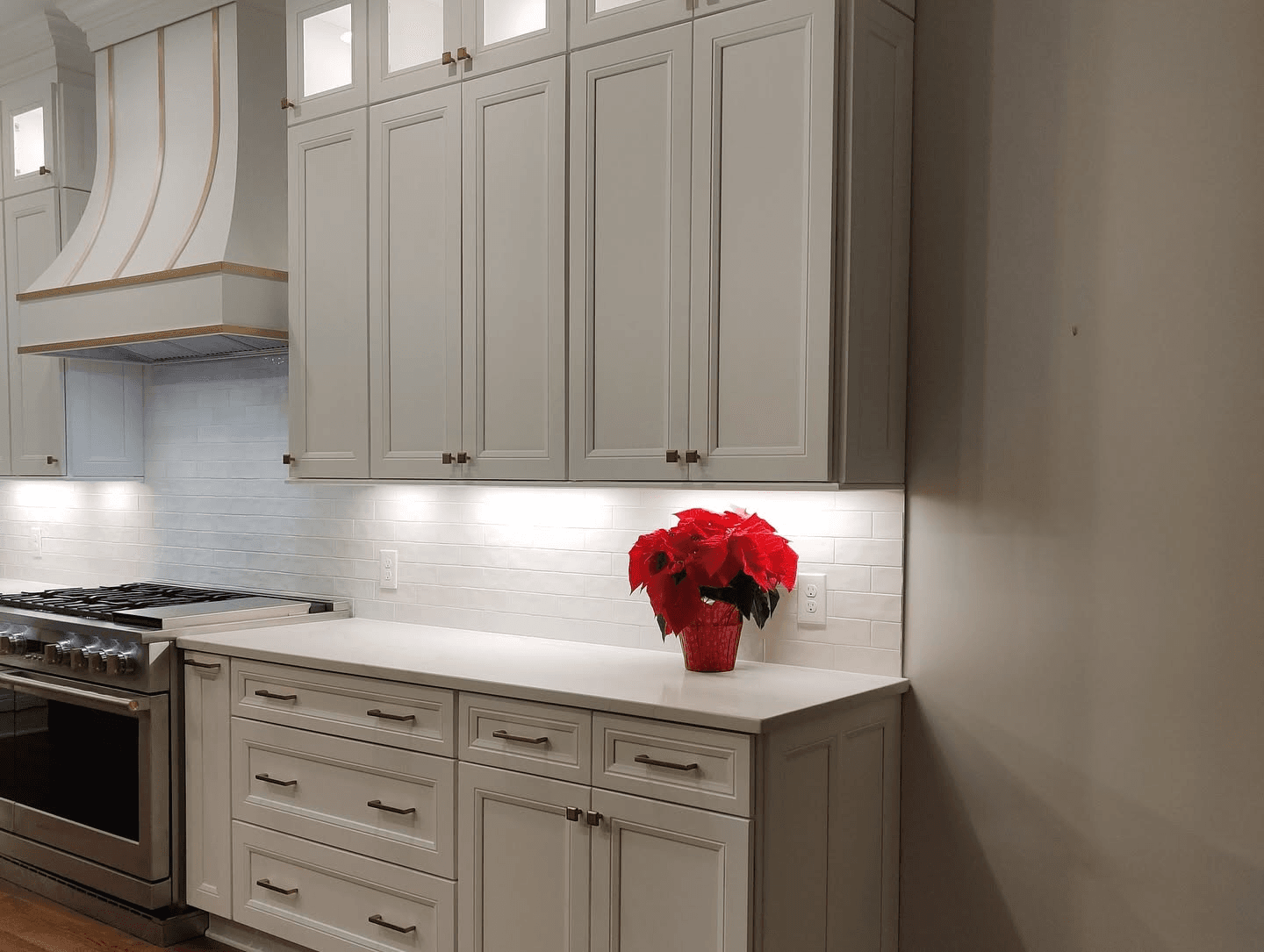
Painting backsplash tile can be a practical option for homeowners who want a new look without replacing the entire backsplash. It can update old colors, make the room feel cleaner, and support a simple home improvement project.
A kitchen backsplash has a major effect on the look of the room. Even a small color change can make cabinets, countertops, and lighting feel more current.
Still, painting is not the right solution for every space. The condition of the tile, the material, the finish, and the prep work all matter.
This guide explains when painting makes sense, which tiles can be painted, and how to maintain the finished surface. East Coast Granite of Asheville can help homeowners review backsplash options and decide whether painting or replacement is the better choice.
Understanding When Painting a Backsplash Is a Good Idea
Best for Cosmetic Updates
Painting works best when the backsplash is in good condition but looks outdated.
If the tile is secure, smooth, and free from major cracks, a fresh coating can improve the appearance without a full replacement. This can be useful when the color no longer matches the rest of the kitchen.
For example, painting backsplash areas in a soft white, warm gray, or muted neutral can make the kitchen feel brighter and more modern.
Good for Short-Term Refreshes
Painting can also be a smart choice if you want a short-term update before a larger remodel.
It costs less than removing and replacing tile. It also takes less time than a full backsplash installation.
This makes it useful for homeowners who want a quick visual change while they plan a future kitchen update.
Not Ideal for Damaged Tile
Paint will not fix serious tile problems.
If the tile is loose, cracked, uneven, or affected by moisture, painting may only hide the issue for a short time. The same is true if the wall behind the tile is damaged.
In these cases, replacing the backsplash tile may be a better long-term solution.
Consider the Final Look
A painted backsplash can look clean and updated, but it may not have the same depth or texture as new tile.
If you want a premium finish, natural stone, decorative pattern, or long-lasting custom design, replacement may give a better result.
The right choice depends on your budget, timeline, and design goals.
Types of Tiles That Can Be Painted
Ceramic Tile
Ceramic is one of the easiest tile types to paint when it is properly cleaned and prepared.
The surface should be free from grease, soap residue, dust, and old sealers. A bonding primer is usually needed so the paint can adhere well.
Ceramic kitchen tile can be a good candidate for painting if it has a smooth finish and is not exposed to constant heavy moisture.
Porcelain Tile
Porcelain can also be painted, but preparation is very important.
Because porcelain is dense and less porous, paint may not bond well without sanding, priming, and using the correct coating.
If the tile surface is very glossy, extra prep may be needed. Skipping this step can lead to peeling or uneven coverage.
Natural Stone Tile
Some natural stone tiles can be painted, but the result depends on the stone, texture, and existing sealer.
Stone may absorb products differently than ceramic or porcelain. It may also have natural variation that affects the final appearance.
Before painting stone, it is smart to ask a professional whether paint is the right option or whether cleaning, sealing, or replacement would be better.
Glass Tile
Glass tile is usually difficult to paint successfully.
Its surface is very smooth and non-porous, which makes adhesion harder. Even with primer, the finish may chip or peel more easily.
For glass backsplashes, replacement is often a better choice if the goal is a long-lasting update.
Textured Tile
Textured tile can be painted, but it may be harder to clean and harder to coat evenly.
Paint can collect in grooves and raised areas. This may create an uneven finish if the project is not done carefully.
A textured backsplash may also show wear faster because the raised areas receive more contact during cleaning.
Preparation and Application Tips
Clean the Surface Well
Good preparation is the most important part of painting.
The backsplash should be cleaned with a degreasing product and allowed to dry fully. Grease near the stove can prevent primer and paint from bonding correctly.
Even the best paint will not last if the surface is dirty.
Sand and Prime
Light sanding can help create a better surface for primer.
After sanding, remove all dust before applying primer. A high-quality bonding primer is important because tile is usually smooth and difficult for paint to grip.
This step helps the painted tile last longer and look more even.
Choose the Right Paint
Not every paint is suitable for a backsplash.
Use products designed for high-use surfaces, moisture exposure, and cleaning. Paint made for tile, cabinets, or durable interior surfaces may be better than standard wall paint.
The finish should be strong enough to handle wiping, splashes, and daily kitchen use.
Pay Attention to Grout Lines
Backsplash grouting can affect the final look.
Some homeowners paint the tile and grout the same color for a clean, uniform finish. Others prefer to refresh the grout separately for more definition.
If the grout is cracked, stained, or damaged, it may need repair before painting begins.
Maintenance and Longevity of Painted Tiles
Clean Gently
A painted backsplash needs gentle care.
Use a soft cloth and mild cleaner. Avoid abrasive pads, harsh chemicals, or aggressive scrubbing because they can damage the finish.
Gentle cleaning helps preserve the color and reduce wear.
Wipe Spills Quickly
Food splashes, grease, and water should be wiped away soon after they appear.
This helps prevent stains and protects the paint from softening or dulling over time.
Areas behind the stove and sink may need more frequent cleaning than other parts of the backsplash.
Expect Some Wear
Painted tile can look good, but it may not last as long as a new backsplash installation.
High-contact areas may show chips, scratches, or dull spots over time. Small touch-ups can help maintain the look.
For homeowners who want a permanent upgrade, new tile may be the stronger option.
Use Touch-Ups When Needed
Keep extra paint for future repairs.
If small chips or marks appear, clean the area and apply a careful touch-up. This can extend the life of the painted surface and keep the backsplash looking fresh.
Regular maintenance helps the project last longer.
Why Choose East Coast Granite of Asheville
East Coast Granite of Asheville helps homeowners choose the best solution for their kitchen or bathroom. This helps homeowners avoid spending time and money on a project that may not last.
Professional advice is especially useful when working with stone, glass, or older tile.
With the right plan, your backsplash can become a clean, stylish, and durable part of your home.